A Trusted Name Today, A Global Partnerships Tomorrow

- info@greenparadiseco.com
- export@greenparadiseco.com
- +201000979328
- +201064111121
- Al-Sabah Mall First Floor Unit1
10th Of Ramadan City
Green Paradise
Quality
General Overview
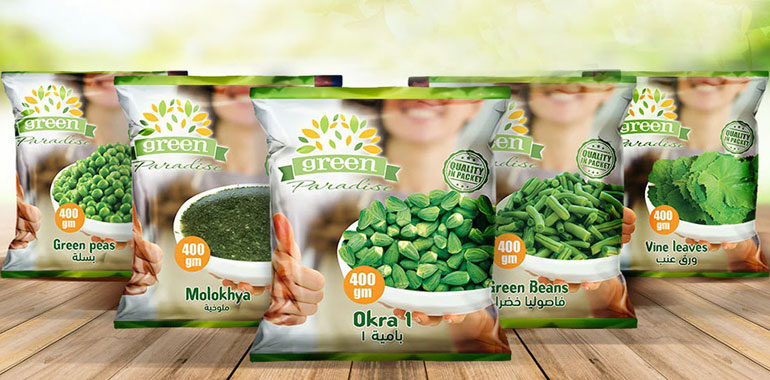
At Green Paradise, quality and reliability are at the heart of everything we do. Our approach is built on transparency, consistency, and traceability, ensuring that every product delivered to our partners meets the highest standards.
From sourcing to packaging, every step is carefully designed to maintain freshness, safety, and nutritional value. We combine trusted supplier partnerships, rigorous quality checks, and modern processing techniques to ensure that our frozen products, legumes, natural goods, sauces, and pickles reach our customers exactly as intended—season after season.
Our workflow reflects our commitment to excellence, sustainability, and trust, giving our clients the confidence that every product bearing the Green Paradise name is safe, consistent, and of superior quality.
From sourcing to packaging, every step is carefully designed to maintain freshness, safety, and nutritional value. We combine trusted supplier partnerships, rigorous quality checks, and modern processing techniques to ensure that our frozen products, legumes, natural goods, sauces, and pickles reach our customers exactly as intended—season after season.
Our workflow reflects our commitment to excellence, sustainability, and trust, giving our clients the confidence that every product bearing the Green Paradise name is safe, consistent, and of superior quality.
Frozen Vegetables
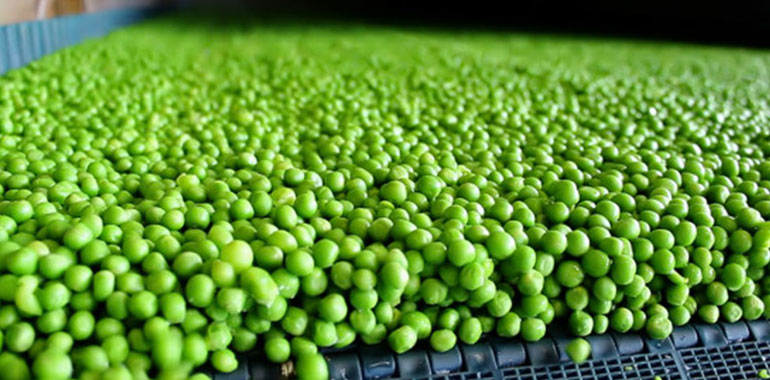
The process starts with sourcing fresh vegetables from approved farms at peak maturity to ensure optimal flavor, color, and nutritional value. Upon arrival, raw materials undergo strict receiving inspection to verify freshness, size, and overall quality.
Vegetables are then thoroughly washed to remove soil, debris, and surface impurities, followed by precise sorting and grading according to size and specification. Depending on the product type, vegetables may be trimmed, peeled, cut, chopped, or calibrated into the required form. Selected products then pass through controlled blanching, a short heat treatment designed to preserve color, texture, and enzymatic stability without overcooking. Immediately after blanching, vegetables are rapidly cooled to stop the cooking process and lock in quality.
The products are then transferred directly to IQF or blast-freezing tunnels, where each piece is frozen quickly and individually to preserve structure, prevent clumping, and maintain natural taste. After freezing, products undergo final inspection before being packed under hygienic conditions using food-grade packaging. Finished products are stored in temperature-controlled cold rooms to maintain quality and consistency until distribution.
Vegetables are then thoroughly washed to remove soil, debris, and surface impurities, followed by precise sorting and grading according to size and specification. Depending on the product type, vegetables may be trimmed, peeled, cut, chopped, or calibrated into the required form. Selected products then pass through controlled blanching, a short heat treatment designed to preserve color, texture, and enzymatic stability without overcooking. Immediately after blanching, vegetables are rapidly cooled to stop the cooking process and lock in quality.
The products are then transferred directly to IQF or blast-freezing tunnels, where each piece is frozen quickly and individually to preserve structure, prevent clumping, and maintain natural taste. After freezing, products undergo final inspection before being packed under hygienic conditions using food-grade packaging. Finished products are stored in temperature-controlled cold rooms to maintain quality and consistency until distribution.
Frozen Fruits
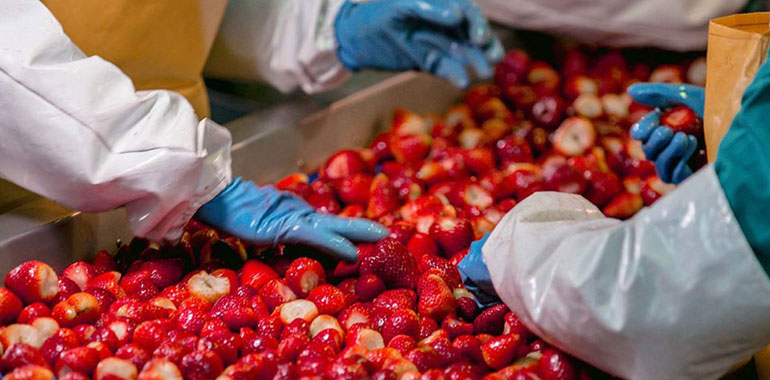
Only fully ripe, high-grade fruits are accepted into our processing line.
Fruits are washed, inspected, and prepared according to type—whether peeling, destemming, slicing, or calibration.
Because fruits are naturally delicate, handling is optimized to reduce bruising and preserve their original flavor and texture.
They are then transferred to the blast-freezing tunnel to lock in freshness, structure, and sweetness.
Following freezing, a brief quality check is carried out to ensure uniformity and remove any pieces that may not have retained their intended shape. This step helps maintain consistent, premium-grade visual quality.
Finally, products are packed under controlled conditions and moved to cold storage until dispatch.
Fruits are washed, inspected, and prepared according to type—whether peeling, destemming, slicing, or calibration.
Because fruits are naturally delicate, handling is optimized to reduce bruising and preserve their original flavor and texture.
They are then transferred to the blast-freezing tunnel to lock in freshness, structure, and sweetness.
Following freezing, a brief quality check is carried out to ensure uniformity and remove any pieces that may not have retained their intended shape. This step helps maintain consistent, premium-grade visual quality.
Finally, products are packed under controlled conditions and moved to cold storage until dispatch.

Frozen Poultry & Meats
We source poultry and meat from approved farms and suppliers, transported under strict cold‑chain conditions to preserve temperature integrity and freshness. Upon arrival, chilling systems (immersion or air chilling) rapidly reduce product temperature to control microbial growth.
Poultry carcasses are cooled and held under controlled conditions before further processing. Birds are cut into parts such as breasts, wings, thighs, and drumsticks, with trimming and deboning performed manually or via specialized machines. Beef, lamb, and other meats are inspected, trimmed, and portioned into steaks, cubes, or blocks. Industrial meat-cutting machines can slice frozen meat at temperatures around -18°C to -12°C, preserving fiber integrity without full thawing.
Depending on the product, marination, injection, or mechanical tenderization may be applied before or after portioning to ensure consistent flavor, texture, and moisture. Portions are then immediately subjected to Individual Quick Freezing (IQF), freezing each piece separately at very low temperatures, preventing large ice crystal formation, preserving structure and texture, and protecting natural flavor. After freezing, products are packed under hygienic conditions in food-grade packaging. Final inspection is performed before storing in temperature-controlled cold rooms until dispatch.
Poultry carcasses are cooled and held under controlled conditions before further processing. Birds are cut into parts such as breasts, wings, thighs, and drumsticks, with trimming and deboning performed manually or via specialized machines. Beef, lamb, and other meats are inspected, trimmed, and portioned into steaks, cubes, or blocks. Industrial meat-cutting machines can slice frozen meat at temperatures around -18°C to -12°C, preserving fiber integrity without full thawing.
Depending on the product, marination, injection, or mechanical tenderization may be applied before or after portioning to ensure consistent flavor, texture, and moisture. Portions are then immediately subjected to Individual Quick Freezing (IQF), freezing each piece separately at very low temperatures, preventing large ice crystal formation, preserving structure and texture, and protecting natural flavor. After freezing, products are packed under hygienic conditions in food-grade packaging. Final inspection is performed before storing in temperature-controlled cold rooms until dispatch.
Frozen Pastries & Dough Products
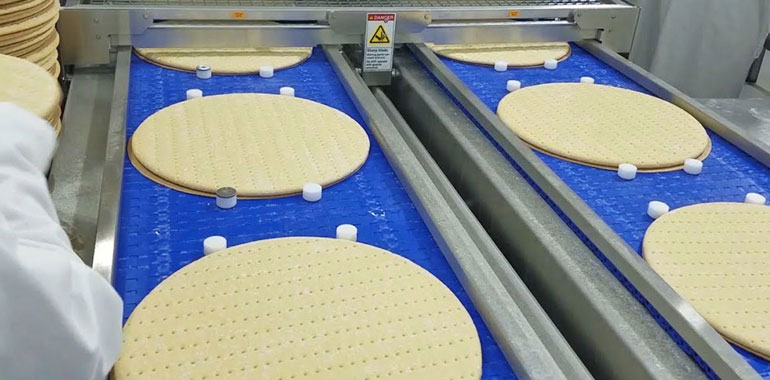
The process begins with preparing the dough under controlled conditions to ensure consistent texture and high-quality results. The dough is then left to rest for the required duration before rolling, folding, and shaping according to the product type.
For filled items, an additional step is carried out to ensure precise shaping and secure sealing.
Professional specialists oversee recipe development and ingredient calibration to ensure accuracy and consistency across production batches. Trial samples are also taken regularly to verify that each product meets the required standards before final processing.
After shaping, the units are arranged on trays and transferred directly to the blast-freezing tunnel to stabilize structure and preserve the layers of dough and butter.
Finally, the products are packed and stored in dedicated cold rooms to maintain their quality and readiness for baking.
For filled items, an additional step is carried out to ensure precise shaping and secure sealing.
Professional specialists oversee recipe development and ingredient calibration to ensure accuracy and consistency across production batches. Trial samples are also taken regularly to verify that each product meets the required standards before final processing.
After shaping, the units are arranged on trays and transferred directly to the blast-freezing tunnel to stabilize structure and preserve the layers of dough and butter.
Finally, the products are packed and stored in dedicated cold rooms to maintain their quality and readiness for baking.
Legumes
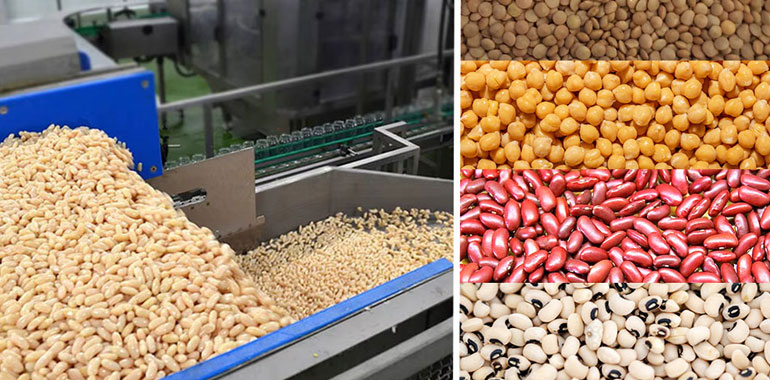
Our process begins with a comprehensive, multi-stage cleaning system. Pulses pass through screen cleaners, aspirators, destoners, and gravity separators to remove dust, stones, and damaged grains, ensuring a clean and reliable raw material.
Next, optical color sorters are used to eliminate discolored or defective pulses, further enhancing purity and overall quality. For selected varieties, a light thermal treatment (blanching) is applied to reduce microbial load, deactivate enzymes, and stabilize texture.
Depending on the product type, dehulling or peeling is carried out using specialized equipment such as emery roller machines to remove the outer hull. Pulses are then graded by size and density to ensure consistency and uniformity.
Finally, the processed legumes are either quickly blast-frozen (for frozen product lines) or packed directly in hygienic, food-grade packaging and stored under controlled conditions until dispatch.
Next, optical color sorters are used to eliminate discolored or defective pulses, further enhancing purity and overall quality. For selected varieties, a light thermal treatment (blanching) is applied to reduce microbial load, deactivate enzymes, and stabilize texture.
Depending on the product type, dehulling or peeling is carried out using specialized equipment such as emery roller machines to remove the outer hull. Pulses are then graded by size and density to ensure consistency and uniformity.
Finally, the processed legumes are either quickly blast-frozen (for frozen product lines) or packed directly in hygienic, food-grade packaging and stored under controlled conditions until dispatch.
Natural Products
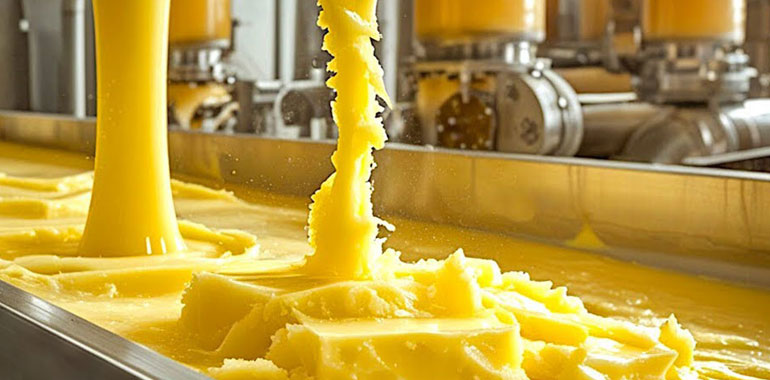
All raw materials, such as honey and milk for ghee, are carefully sourced from trusted suppliers and farms to ensure purity and high quality. Natural honey is extracted from honeycombs using controlled centrifugal extraction, then filtered to remove wax and impurities, without any additives or artificial processing.
Cow and buffalo ghee is prepared by slow, controlled heating to clarify milk or cream, separating fats from water and solids, resulting in a pure, natural product free of preservatives. Sugar cane molasses is obtained from sugarcane juice through controlled evaporation and filtration, retaining its natural minerals and flavor. Each batch undergoes laboratory and sensory testing to verify purity, consistency, flavor, color, and aroma.
Finally, products are packed in food-grade containers under hygienic conditions and stored in suitable environments to preserve their natural properties until dispatch.
Cow and buffalo ghee is prepared by slow, controlled heating to clarify milk or cream, separating fats from water and solids, resulting in a pure, natural product free of preservatives. Sugar cane molasses is obtained from sugarcane juice through controlled evaporation and filtration, retaining its natural minerals and flavor. Each batch undergoes laboratory and sensory testing to verify purity, consistency, flavor, color, and aroma.
Finally, products are packed in food-grade containers under hygienic conditions and stored in suitable environments to preserve their natural properties until dispatch.
Sauces & Condiments
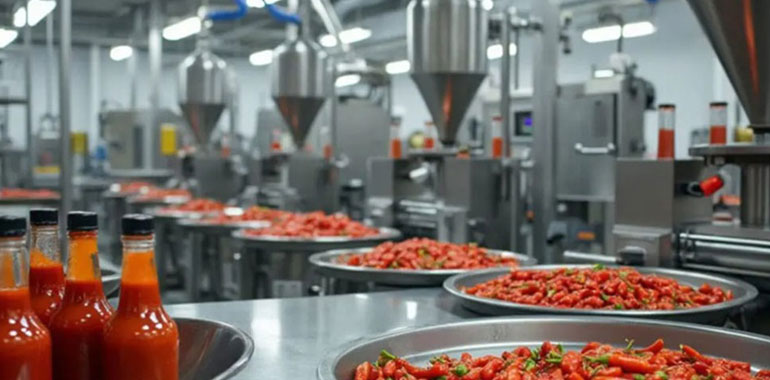
The process begins with selecting approved raw ingredients such as tomatoes, oils, dairy components, vinegar, spices, and seasonings according to each sauce formulation. Ingredients are accurately weighed and prepared under controlled conditions to ensure recipe consistency.
Liquid and dry components are then blended using industrial mixers until a uniform texture is achieved. Depending on the product type, controlled heating or cooking is applied to activate flavors, dissolve solids, and achieve the required viscosity and stability. Emulsified sauces such as mayonnaise, ranch, and cheese sauce undergo precise emulsification to ensure smooth texture and separation resistance.
For tomato-based products, cooking and concentration are carefully monitored to reach the desired flavor, color, and thickness. After processing, sauces pass through temperature control or cooling stages to stabilize quality before filling. Products are then filled into jars, cans, or bottles under hygienic conditions using automated filling lines. Final inspection is carried out to verify consistency, sealing, and labeling before storage in controlled environments until distribution.
Liquid and dry components are then blended using industrial mixers until a uniform texture is achieved. Depending on the product type, controlled heating or cooking is applied to activate flavors, dissolve solids, and achieve the required viscosity and stability. Emulsified sauces such as mayonnaise, ranch, and cheese sauce undergo precise emulsification to ensure smooth texture and separation resistance.
For tomato-based products, cooking and concentration are carefully monitored to reach the desired flavor, color, and thickness. After processing, sauces pass through temperature control or cooling stages to stabilize quality before filling. Products are then filled into jars, cans, or bottles under hygienic conditions using automated filling lines. Final inspection is carried out to verify consistency, sealing, and labeling before storage in controlled environments until distribution.
Pickles
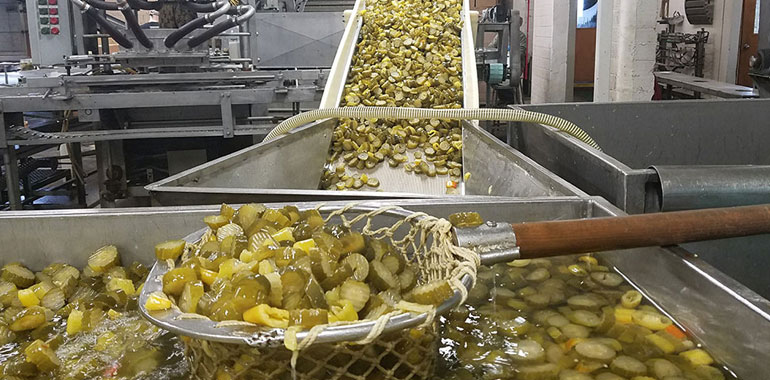
High-quality vegetables are selected based on firmness, size, and color. Vegetables are washed, trimmed, and prepared according to type, then placed in precisely calibrated brine solutions to ensure balanced fermentation and texture preservation. Fermentation is carried out under the supervision of experienced specialists. For delicate products like olives, debittering and curing steps are implemented following tailored protocols for each variety.
Once matured, pickles are packed under hygienic conditions, followed by final inspection, and stored at controlled temperatures until dispatch.
Once matured, pickles are packed under hygienic conditions, followed by final inspection, and stored at controlled temperatures until dispatch.